
September 13, 2026
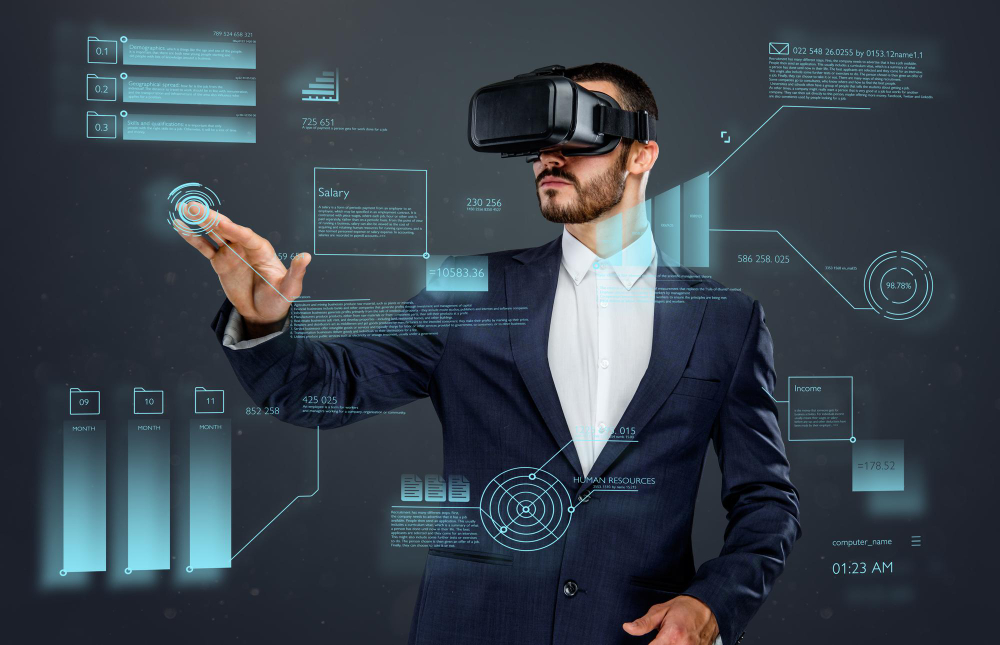
The year 2026 isn’t just another milestone — it marks a pivotal moment in how technology transforms business, society, and the way we interact with intelligent systems. Organizations that recognize and harness these trends early can lead markets, enhance productivity, and redefine competitive advantage.
In this blog, we’ll explore the major strategic technology trends shaping 2026, why they matter, and how businesses should prepare.
1. AI-Native Development Platforms
Traditional code-first development is being overshadowed by AI-native platforms — tools where artificial intelligence is fundamental, not an add-on. These platforms enable software to be ideated, tested, and released faster, with AI writing and optimizing code alongside human developers. They reduce engineering bottlenecks and help cross-functional teams turn ideas into working systems faster than ever.
Impact: Faster innovation cycles and democratized software creation as AI assists non-technical domain experts too.
2. AI Supercomputing Platforms
AI models are growing exponentially — and so is their hunger for compute. AI supercomputing platforms combine high-performance CPUs, GPUs, specialized accelerators, and advanced architectures capable of training and running massive models. They aren’t just for research labs — industries like healthcare, finance, and energy are using them for simulations, predictions, and deep analytics.
💡 Impact: Next-gen insights, real-time analytics, and powerful AI services that redefine what’s possible — but require strategic decisions around cost, energy, and governance.
3. Confidential Computing
Data privacy isn’t just about encryption at rest or in transit. Confidential computing enables data to remain encrypted even while it’s being processed, using hardware-based Trusted Execution Environments (TEEs). This is especially crucial for industries dealing with sensitive information or operating in regulated markets.
💡 Impact: Secure hybrid cloud ecosystems and trusted collaboration across partners without exposing sensitive data.
4. Multiagent Systems
Rather than relying on single, monolithic AI models, multiagent systems deploy a collection of specialized agents that interact to tackle complex tasks. These agents can collaborate, make decisions, delegate tasks, and adapt to changing business needs.
💡 Impact: More scalable and flexible automation — acting as AI coworkers across processes like supply chain coordination, customer interactions, and operational workflows.
5. Domain-Specific Language Models (DSLMs)
Not all businesses or industries benefit equally from generic AI. Domain-specific models are trained on industry or function-specific data, delivering higher accuracy, better compliance, and deeper contextual understanding than general AI models.
💡 Impact: Specialized AI that understands healthcare jargon, legal language, manufacturing processes, and more — transforming vertical workflows.
6. AI Security Platforms
As AI becomes central to business operations, its security becomes mission-critical. AI security platforms unify oversight, enforce policies, and protect against AI-specific vulnerabilities like prompt injection, data leakage, and rogue agent behavior.
💡 Impact: Trustworthy AI deployments and protection of both data and intellectual property as models nearly become digital assets themselves.
7. Preemptive & Proactive Cybersecurity
Cybersecurity is shifting from reactive defense to preemptive protection — anticipating and blocking threats before they occur. With AI-powered threat detection, predictive analytics, and risk-aware systems, organizations rethink how they protect critical infrastructure.
💡 Impact: Reduced breach risk, faster response times, and improved resilience against constantly evolving threats.
8. Digital Provenance
In a world where data lineage and authenticity matter more than ever, digital provenance establishes trustworthy records of where data came from, how it was altered, and who accessed it. This trend supports regulatory compliance, supply chain transparency, and ethical AI practices.
💡 Impact: Strengthened data integrity and confidence across ecosystems that rely on shared digital assets.
9. Physical AI
Moving beyond digital realms, physical AI — such as intelligent robots, autonomous systems, and AI-enabled hardware — will redefine industries from logistics to healthcare. These systems can perceive, act, and interact with the physical world far beyond traditional automation.
💡 Impact: Automated robotic workforces, self-optimizing machines, and smarter production lines.
10. Geopatriation
Digital infrastructure and data residency are being shaped by geopolitical shifts. Geopatriation refers to the strategic rebalancing of where technology stacks, data centers, and services reside — driven by compliance, governance, and sovereignty concerns.
💡 Impact: Cloud strategies that adapt to local regulations, cross-border data laws, and national security requirements.
Final Thoughts: Why 2026 Will Be Different
The overarching theme for 2026 is AI maturity — not just experimentation. Organizations are moving from proof-of-concept to production-scale AI deployments, with increasing enterprise adoption, budget allocation, and strategic priority.
But the era isn’t just about raw intelligence — it’s about trusted, secure, and ethical AI that creates value while safeguarding people and systems.
If you’re a business leader, CTO, or technology enthusiast, now is the time to:
✔ Invest in AI talent and governance frameworks
✔ Evaluate secure computing and data protection architectures
✔ Experiment with multiagent and domain-specific AI systems
✔ Prepare your infrastructure for hybrid and high-performance workloads
2026 won’t be the year AI arrives — it will be the year AI becomes foundational.